
Roof damage stems from a variety of causes, including leaks, impact, weather, and structural issues. To prevent costly repairs, you’ll want to conduct regular inspections, implement proactive maintenance measures, and choose durable roofing materials. While addressing existing damage is vital, learning more about how to identify, address, and safeguard your roof against future problems can provide long-term protection for your home.
Key Takeaways
Key Points:
- Common causes of roof damage include leaks, impact from hail/branches, weather deterioration, and structural issues like poor installation or design flaws.
- Regular inspections and proactive maintenance, like clearing gutters and trimming trees, are essential for early detection and prevention of roof problems.
- Selecting durable, energy-efficient roofing materials suited for the local climate can extend the lifespan of the roof and reduce long-term costs.
- Prompt action on identified issues, such as repairing cracks or replacing damaged shingles, can prevent escalation into more costly repairs or full roof replacement.
- Hiring experienced roofing contractors for damage assessment, repair, and replacement ensures proper workmanship and provides warranty protection for the investment.
Common Causes of Roof Damage
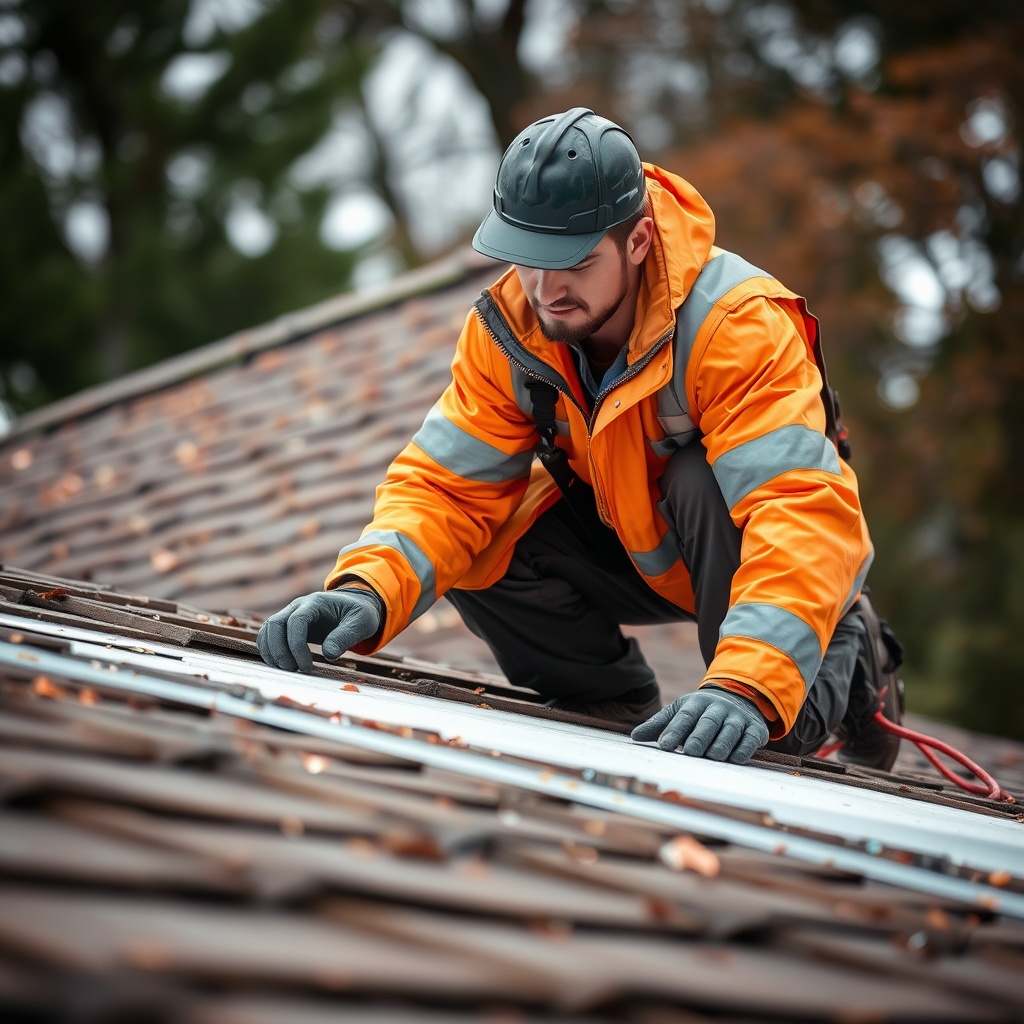
While your roof is designed to withstand the elements, it can still suffer from various types of damage over time. One of the most common issues is roof leaks, which can arise from cracked or missing shingles, damaged flashing, or improper installation.
These leaks can lead to water damage, mold growth, and even structural problems if left unchecked. Additionally, insulation issues can contribute to roof damage. Inadequate or poorly installed insulation can cause condensation, leading to rotting and deterioration of the roof materials.
Regular inspections and proactive maintenance are key to preventing these problems and ensuring the longevity of your roof.
Impact Damage: Hail, Falling Branches, and Other Projectiles
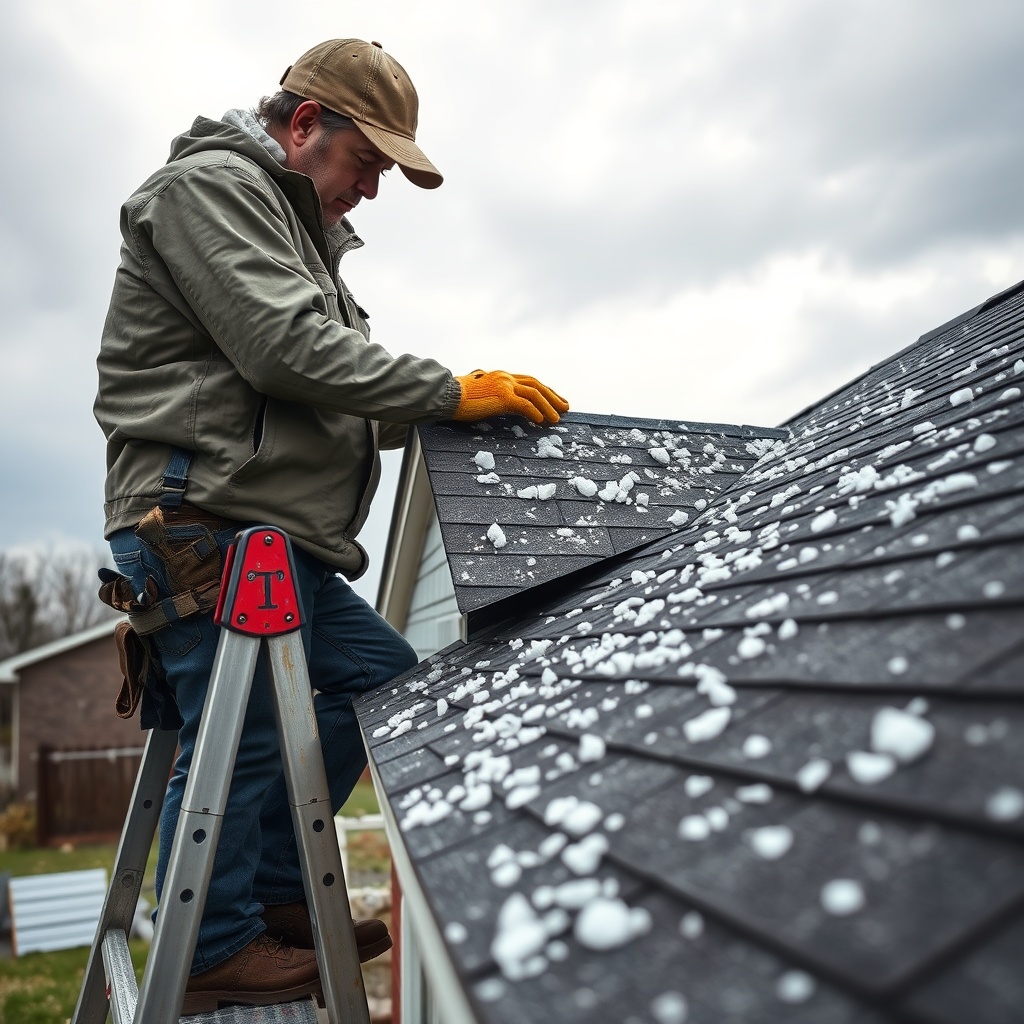
Your roof’s vulnerability to impact damage from hail, falling branches, and other projectiles is a serious concern.
Hail can cause pitting and cracks in shingles, compromising their protective barrier.
Falling branches and airborne debris pose a threat of puncturing or tearing your roof, potentially leading to costly leaks and water damage.
Hail Strikes: Damage Risks
Hail strikes can pose a significant threat to your roof, potentially causing substantial impact damage. Hail, ranging from small pellets to golf ball-sized stones, can batter your roofing materials, leading to dents, cracks, and even punctures.
This impact damage not only compromises your roof’s integrity but also increases the risk of water intrusion and further structural issues.
It’s vital to be aware of the hail impact risks in your area and take proactive steps to protect your home. Verify your roof is regularly inspected, and consider upgrading to impact-resistant roofing materials.
Additionally, familiarize yourself with your roof insurance coverage, as hail damage may be a covered event, allowing you to minimize the financial burden of necessary repairs.
Falling Branches: Costly Impacts
In addition to the threat of hail, falling branches and other projectiles can also inflict substantial damage to your roof. Heavy storms and high winds can easily snap off tree limbs, causing them to come crashing down onto your home.
The impact can puncture shingles, dent metal roofs, and even compromise the structural integrity of your roof. Regularly trimming trees and removing dead branches around your home is essential to mitigate this risk.
Proactive branch removal and tree trimming will help prevent costly repairs down the line. Ignoring this maintenance task could leave your roof vulnerable to expensive damages from falling debris during the next severe weather event.
Projectile Threats: Protecting Roof
While hail and falling branches pose significant threats to your roof, taking proactive measures can effectively safeguard it. Choosing roofing materials with enhanced wind resistance and durability is vital. Consider the following factors when selecting the right roof protection:
| Factor | Importance |
| Impact Resistance | Vital for withstanding projectile threats |
| Wind Resistance | Essential for preventing damage during storms |
| Durability | Guarantees long-lasting protection against the elements |
| Cost-Effectiveness | Balances performance with financial considerations |
Weather-Related Roof Deterioration
Extreme weather conditions can greatly impact the integrity of your roof over time. From heavy rainfalls to severe snowstorms, Mother Nature can wreak havoc on your home’s protective barrier.
Moisture, temperature fluctuations, and high winds can all contribute to weather-related roof deterioration. Regular seasonal inspections are vital to identify and address issues before they escalate. Look for missing, cracked, or curled shingles, as well as signs of leakage.
Proper storm preparation, such as clearing gutters and trimming overhanging branches, can also help mitigate damage. Addressing weather-related roof problems promptly can extend the lifespan of your roof and prevent costly repairs down the line.
With proactive maintenance and vigilance, you can safeguard your home against the elements and guarantee your roof remains strong and resilient.
Structural Issues: Aging, Poor Installation, and Design Flaws
Roof damage can stem from inadequate construction methods and faulty design specifications.
Improperly installed roofs or those with inherent design flaws are vulnerable to accelerated aging and potential failure.
Whether your roof is old or brand new, understanding these structural issues is essential for maintaining a safe and reliable overhead shelter.
Inadequate Construction Methods
If your home’s roof wasn’t properly constructed, you may face a range of structural issues down the line.
Inadequate construction methods, such as cutting corners on building codes or using low-quality materials, can lead to problems like sagging, leaks, and even collapse. Confirm your roof was built to code and with high-quality materials to avoid costly repairs.
Improper installation techniques, like using the wrong fasteners or not properly sealing joints, can also compromise your roof’s integrity.
Stay vigilant and address any construction issues promptly to prevent further damage and maintain a safe, secure roofing system for your home.
Faulty Roof Design Specifications
In addition to poor construction methods, faulty roof design specifications can also lead to significant structural issues over time. Design flaws like inadequate load-bearing capacity, improper ventilation, or suboptimal roof pitch can all contribute to premature roof deterioration. Specification errors during the planning phase, such as using the wrong materials or underestimating wind/snow loads, can further exacerbate these problems.
| Structural Issue | Potential Causes | Recommended Solutions |
| Sagging Roof | Improper load distribution, inadequate roof framing | Reinforcing roof structure, upgrading load-bearing components |
| Leaks | Improper ventilation, incorrect roof pitch, faulty flashing | Improving airflow, adjusting roof slope, replacing flashing |
| Premature Aging | Use of low-quality materials, insufficient insulation | Upgrading roofing materials, enhancing insulation |
Addressing faulty roof design specifications is essential to ensuring the long-term integrity and performance of your roof.
Neglected Roof Maintenance
Though neglecting roof maintenance may seem like a harmless oversight, the consequences can be severe.
Regular roof inspections and adhering to maintenance schedules are essential for preserving the integrity of your roof. Overlooking issues like missing shingles, clogged gutters, or damaged flashing can lead to water damage, leaks, and even structural problems.
Over time, neglect can result in the need for costly repairs or even a full roof replacement. Investing a little time and effort into routine maintenance can save you a significant amount of money and headaches down the line.
Don’t let a minor issue become a major problem – stay on top of your roof’s upkeep for a safe and secure home.
Identifying and Addressing Roof Damage
Recognizing roof damage early is essential for preventing further deterioration and costly repairs. Conducting regular roof inspections can help you identify and address issues before they worsen.
When evaluating your roof, look for the following:
- Visible Damage: Inspect for missing, cracked, or curled shingles, as well as any signs of water intrusion or discoloration.
- Flashing Concerns: Check the condition of the flashing around chimneys, vents, and other roof penetrations for any signs of deterioration.
- Attic Inspection: Examine the attic space for signs of leaks, such as water stains or mold growth, which can indicate underlying roof damage.
If you identify any issues, it’s important to address them promptly. Consult a professional roofer for a thorough damage evaluation and to recommend the appropriate repair or replacement solutions.
Proactive Measures for Preventing Roof Damage
While regular inspections can help identify roof damage early, taking proactive measures to prevent issues in the first place is equally important.
Roof inspections are essential, as they allow you to catch problems before they escalate. During these inspections, look for signs of wear and tear, such as missing shingles, cracks, or holes. Addressing these issues promptly can save you from costly repairs down the line.
Additionally, implementing a preventive maintenance program can greatly reduce the risk of roof damage. This might include regularly cleaning gutters, trimming overhanging trees, and applying sealants or coatings to protect the roof’s surface.
Choosing the Right Roofing Materials and Techniques
Choosing the right roofing materials and techniques is key to ensuring your home’s protection. When selecting roofing, consider the following:
Selecting the right roofing materials and techniques is crucial for protecting your home.
- Energy Efficiency: Opt for materials that provide excellent insulation, reducing your energy costs and environmental impact. Metal roofs, for instance, can reflect sunlight, keeping your home cooler.
- Aesthetic Appeal: Choose a roofing style that complements your home’s architecture and enhances its curb appeal. Asphalt shingles, clay tiles, or slate can all contribute to a stunning visual aesthetic.
- Durability: Invest in roofing that can withstand your local climate’s challenges, whether it’s extreme weather, heavy snowfall, or intense heat. This will minimize the need for future repairs and extend your roof’s lifespan.
Professional Roof Repair and Replacement
If your roof has sustained damage, it’s vital to address it promptly.
Hiring a professional roofing contractor is the best way to guarantee proper repair or replacement. Roofing contractors have the expertise and equipment to assess the extent of the damage and provide a tailored solution.
They’ll work with you to choose the right materials and techniques, guaranteeing your new roof not only looks great but also offers long-lasting protection.
Many reputable contractors also provide repair warranties, giving you peace of mind that your investment is protected.
Don’t risk further damage or safety issues by attempting DIY repairs. Let the professionals handle it and enjoy a worry-free, beautifully restored roof.
Frequently Asked Questions
How Do I Know if My Roof Needs Replacement?
You’ll know your roof needs replacement if it’s reaching the end of its lifespan or showing signs like missing/cracked shingles, leaks, or sagging. Pay attention to these replacement signs to decide when it’s time for a new roof.
Can I Repair My Roof Myself or Do I Need a Professional?
You can attempt DIY roof repairs, but for complex issues or full replacements, it’s best to hire a professional. They have the expertise and tools to properly assess and fix your roof, ensuring its long-term performance.
What Are the Signs That My Roof Is Leaking?
You may have a leaky roof if you notice water stains on your ceilings or walls, or if you see signs of ceiling damage like peeling paint or sagging. These are clear indicators that your roof needs attention from a professional.
How Often Should I Have My Roof Inspected?
You should have your roof inspected at least once a year, preferably during the spring or fall when the weather’s mild. It’s also a good idea to do seasonal roof checks to catch any issues early on.
What Is the Best Way to Clean and Maintain My Roof?
To clean and maintain your roof, regularly remove debris, inspect for damage, and apply a roof sealant. This easy roof maintenance routine can extend your roof’s lifespan and prevent costly future repairs.
Final Thoughts
Understanding the causes of roof damage—and how to prevent them—helps you stay ahead of costly repairs. By watching for early warning signs, staying consistent with maintenance, and choosing durable materials suited to your climate, you can greatly extend the life of your roof. Address issues like leaks, weather deterioration, and structural weaknesses promptly to avoid escalation and protect the integrity of your home.
When problems go beyond simple DIY repairs, turn to the experts at Farmington Hills Roofing Company. Whether you need roof repair, a full residential roofing upgrade, or durable solutions like metal roofing, asphalt roofing, or flat roofing, our experienced team delivers reliable craftsmanship that keeps your property protected. We also specialize in commercial roofing for business owners who need long-term durability and expert installation.
Don’t wait until minor concerns become major damage. Call Farmington Hills Roofing Company today at 248-213-7849 or contact us online to schedule your inspection or request a free estimate. Protect your home with trusted professionals committed to keeping your roof strong, efficient, and built to last.