
Inspect your roof shingles for cracks or damage, and secure or replace them as needed. Clear debris from the roof and gutters to prevent ice dams. Ascertain proper attic insulation and ventilation to improve energy efficiency and reduce moisture buildup. Hire a professional roofing contractor for their expertise in preparing your roof for Michigan’s harsh winters and to provide long-term benefits like peace of mind and increased property value. To learn more about effectively preparing your roof for winter, keep reading.
Key Takeaways
- Inspect roof shingles for any cracks, curling, or missing pieces, and secure or replace damaged shingles to prevent leaks and withstand winter elements.
- Clear debris from the roof and gutters to ensure unobstructed water flow and prevent ice dam formation.
- Ensure adequate attic insulation (R-49 or higher) and proper ventilation to maintain efficient thermal performance and reduce moisture buildup.
- Hire a professional roofing contractor with expertise in local weather patterns and experience in preparing roofs for harsh Michigan winters.
- Invest in professional roofing services to gain long-term benefits, such as improved energy efficiency, increased property value, and enhanced safety during severe weather.
Inspect and Repair Roof Shingles
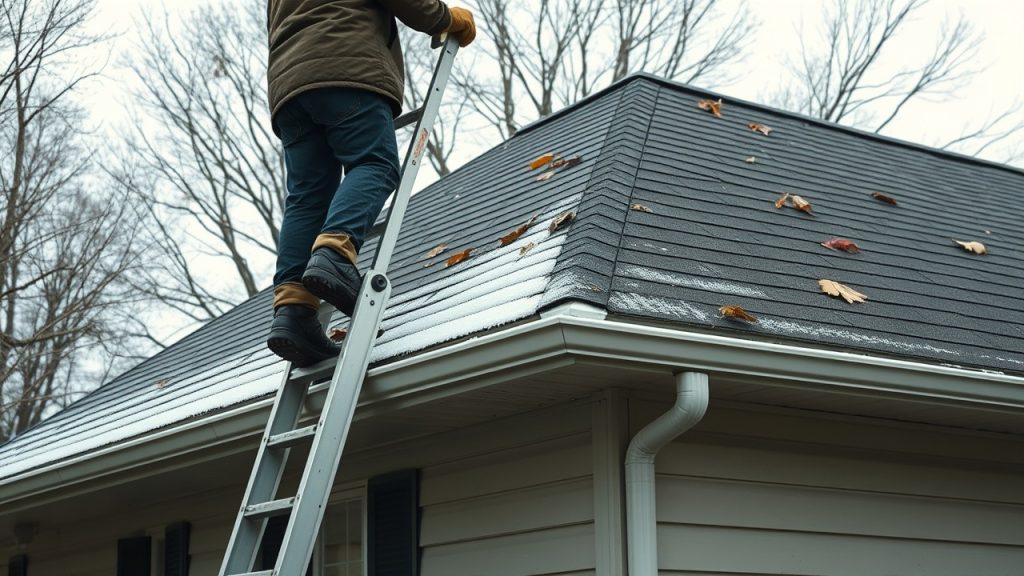
Before the winter weather arrives, you should inspect your roof shingles for any damage or wear.
Look for cracked, curling, or missing shingles that need replacement. Carefully walk the roof, taking note of any loose or damaged shingles.
Repair minor issues by securing loose shingles or replacing individual shingles as needed. For more significant shingle damage, consider a full shingle replacement to protect your home.
Proper shingle maintenance is essential to prevent leaks and guarantee your roof can withstand the winter elements.
Inspect your shingles diligently and make necessary repairs to prepare your roof for the harsh Michigan winter.
Clear Debris From the Roof
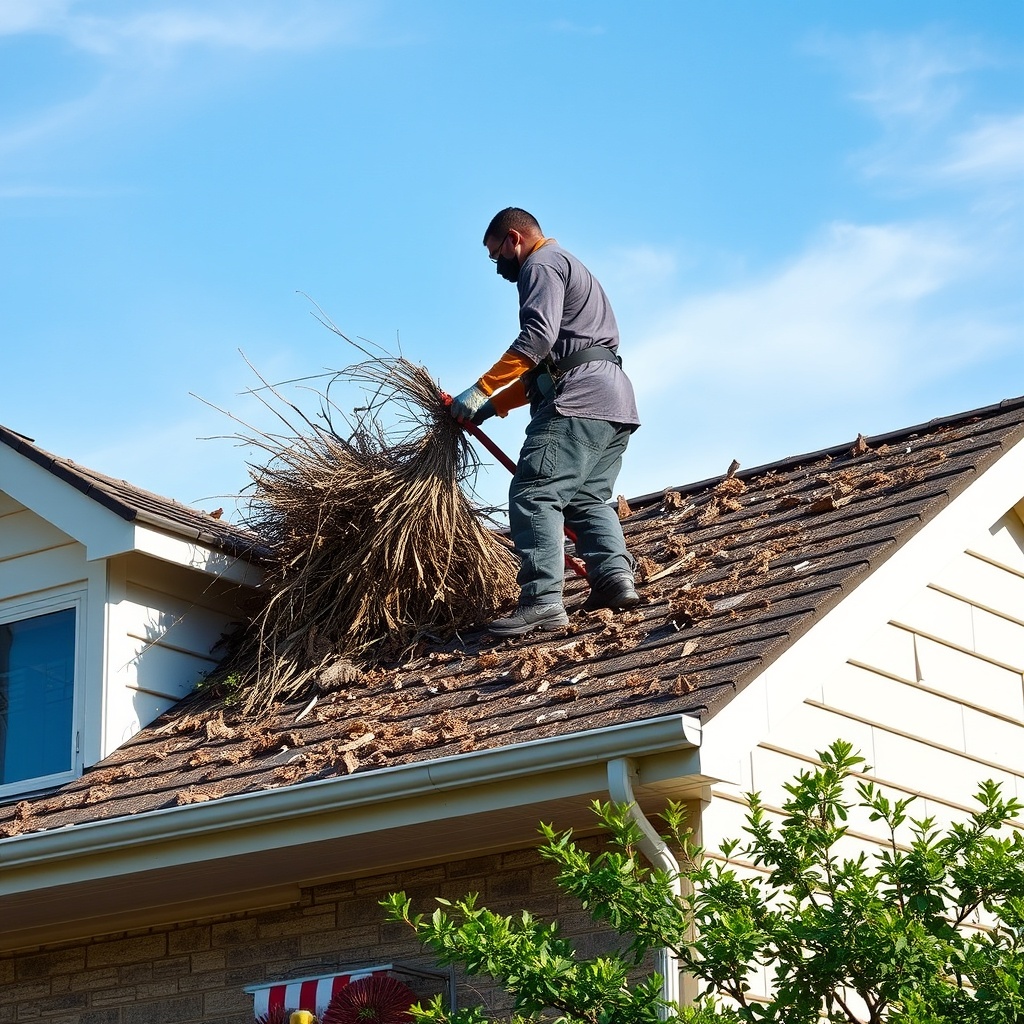
After thoroughly inspecting and repairing your roof shingles, it’s time to move on to the next important task – clearing debris from the roof. Accumulated leaves, twigs, and other materials can trap moisture, leading to rot and damage.
Start by using a soft-bristled broom to gently sweep the roof clean. Be cautious not to damage the shingles. If there’s a significant build-up, consider using a leaf blower to efficiently remove the debris.
Don’t forget to clean out your gutters as well, as clogged gutters can cause water to back up and seep under the roof. Proper roof cleaning and debris removal will help prevent ice dams and other winter-related issues, keeping your home in top condition.
Prevent Ice Dam Formation
Inspect your gutters regularly to guarantee they’re clear of debris.
Properly insulating your attic can prevent warm air from escaping and causing ice dams to form.
Taking these steps will help protect your roof from the damaging effects of ice dams during the winter months.
Inspect Gutters Regularly
While properly functioning gutters are essential year-round, inspecting them regularly is especially important as winter approaches. Clogged or damaged gutters can lead to ice dam formation, causing water damage to your roof and home.
Prioritize gutter maintenance by scheduling seasonal cleaning. Remove leaves, sticks, and other debris to guarantee unobstructed water flow.
Examine gutters for cracks, holes, or loose connections, and make necessary repairs. Consider installing gutter guards to minimize future buildup.
Taking the time to inspect and maintain your gutters can prevent costly winter-related issues and protect the integrity of your roof.
Insulate Attic Properly
Proper attic insulation is key to preventing ice dam formation and safeguarding your roof this winter.
Upgrading your attic insulation not only keeps your home toasty but also boosts energy efficiency, saving you money on heating costs.
To insulate your attic properly:
- Measure the existing insulation depth and add more if it’s less than R-49, the recommended level for Michigan.
- Seal any air leaks around light fixtures, ductwork, and attic hatches to prevent warm air from escaping.
- Consider installing reflective insulation to further enhance the insulation’s performance.
Investing in proper attic insulation is a smart move that protects your roof and your wallet this winter.
Insulate the Attic
Ensuring your attic is properly insulated is essential for maintaining a comfortable and energy-efficient home during the winter months.
By adding the right amount of insulation, you can prevent warm air from escaping your living spaces, reducing your heating costs and keeping your home cozy.
Proper insulation prevents warm air from escaping, reducing heating costs and keeping your home cozy.
Look for high R-value insulation materials, such as fiberglass or cellulose, and aim for a minimum of R-49 in your attic.
Seal any gaps or cracks around light fixtures, pipes, and wiring to further improve the insulation’s effectiveness.
Proper attic insulation is a smart investment that will pay off in lower energy bills and increased comfort throughout the winter season.
Maintain Gutters and Downspouts
One often overlooked aspect of winter roof preparation is maintaining your gutters and downspouts. Clogged or damaged gutters and downspouts can cause water to back up and potentially lead to costly roof and foundation damage.
To guarantee your gutters and downspouts are winter-ready:
- Thoroughly clean out leaves, twigs, and other debris from gutters and downspouts. This allows for proper water flow during winter’s melting and rainfall.
- Inspect for cracks, holes, or other damage, and make necessary repairs to prevent leaks.
- Consider installing gutter guards to minimize future buildup and reduce the need for frequent gutter cleaning.
Proper gutter maintenance and downspout cleaning are essential steps to prepare your roof for the winter months ahead and protect your home from potential water damage.
Consider Roof Ventilation
Check your roof’s ventilation design.
Guarantee proper airflow to prevent ice dams from forming.
Proper ventilation is key to protecting your roof in winter.
Examine Ventilation Design
As you prepare your roof for winter, it’s essential to examine the ventilation design. This will guarantee proper airflow and prevent moisture buildup, which can lead to costly damage.
- Identify the types of ventilation installed on your roof, such as ridge vents, soffit vents, or power vents. Understanding the ventilation system can help you assess its effectiveness.
- Evaluate the airflow by checking for any obstructions or blockages that may impede proper ventilation. Confirm that vents are clear of debris and functioning correctly.
- Consider consulting a professional roofer or ventilation specialist to perform a thorough assessment and recommend any necessary upgrades or repairs to your roof’s ventilation system.
Ensure Proper Airflow
Guaranteeing proper airflow is essential for your roof’s well-being during the winter months. Inspect your home’s ventilation systems to guarantee they’re functioning correctly.
Look for any blockages or obstructions that could impede airflow, and clear them out. Consider upgrading to more efficient ventilation systems, like ridge vents or power attic fans, to improve airflow and prevent moisture buildup.
Proper airflow not only helps regulate your home’s temperature but also reduces the risk of ice dams and other winter roof issues.
Take the time to address any ventilation concerns now, and you’ll enjoy a more comfortable and protected home all season long.
Prevent Ice Dams
Ice dams can wreak havoc on your roof during the winter, but you can prevent them by considering proper roof ventilation. Adequate airflow in your attic can help reduce heat loss and minimize ice accumulation on your roof’s edge.
Here’s how to prevent ice dams:
- Confirm your attic is properly insulated to limit heat transfer from the living space below.
- Install sufficient roof vents, such as ridge vents or gable vents, to allow hot air to escape and maintain a consistent temperature across the roof.
- Consider upgrading to an energy-efficient roof system that incorporates ventilation features to manage heat loss and prevent ice dams.
Hire a Professional Roofing Contractor
While you can certainly tackle certain roof maintenance tasks on your own, it’s generally best to hire a professional roofing contractor for more complex or extensive work.
Roofing services provided by a reputable contractor can guarantee your roof is properly prepared for the harsh Michigan winter. Experienced contractors possess the necessary skills, tools, and equipment to safely and effectively address issues like ice dam removal, roof cleaning, and repair work.
Reputable roofing contractors in Michigan possess the expertise and resources to prepare your roof for the harsh winter season.
Additionally, they offer the benefits of expertise, warranties, and liability insurance, protecting you from potential issues or accidents. When selecting a contractor, look for one with a proven track record, proper licensing and insurance, and a commitment to quality workmanship.
Investing in professional roofing services can provide peace of mind and help safeguard your home against winter’s wrath.
Frequently Asked Questions
What Is the Average Cost of a Roof Replacement in Michigan?
The average cost of a roof replacement in Michigan ranges from $5,000 to $15,000, depending on the size of your home, roofing materials, and other cost factors. Contact local roofers to get personalized estimates for your specific roof replacement needs.
Can I Install a New Roof Myself or Should I Hire a Contractor?
DIY roof installation is possible, but it’s generally best to hire a contractor. They have the expertise and tools to do the job safely and properly. Consider your DIY abilities and the complexity of your roof when deciding whether to take on the project yourself.
How Often Should I Have My Roof Inspected for Maintenance?
You should have your roof inspected annually and complete a seasonal maintenance checklist twice a year. Regular roof inspections and maintenance help guarantee your roof is ready to withstand Michigan’s harsh winters.
What Are the Best Roofing Materials for Michigan’s Climate?
Metal roofing and asphalt shingles are the best roofing materials for Michigan’s harsh winters. They’re durable, weather-resistant, and can withstand heavy snowfall and ice buildup. Consider your budget and roof design when choosing the right material for your home.
How Can I Save on My Energy Bills With a New Roof?
Upgrade to energy-efficient roofing and add insulation to save on heating bills. Choose materials that’ll keep warmth in and the cold out, cutting your winter energy costs. This simple upgrade can pay for itself over time.
Final Thoughts
Preparing your roof for a Michigan winter starts with proactive care—inspecting shingles, clearing debris, improving insulation, and ensuring proper ventilation. These small steps go a long way toward preventing ice dams, leaks, and cold-weather damage. Staying ahead of maintenance keeps your home efficient, protects structural integrity, and reduces the chance of unexpected winter repairs.
When winter preparation becomes more involved—or if you spot damage that requires expert attention—turn to the professionals at Farmington Hills Roofing Company. Our team specializes in roof repair, durable asphalt roofing, long-lasting metal roofing, efficient flat roofing, and complete residential and commercial roofing services. With experienced crews and Michigan-focused expertise, we ensure your roof is fully prepared for the harshest winter conditions.
Don’t wait until snow and ice expose hidden issues. Call Farmington Hills Roofing Company today at 248-213-7849 or contact us online to schedule your winter-prep inspection or request a free estimate. Protect your home with trusted local roofing experts who understand Michigan winters inside and out.