
When most homeowners think about energy efficiency, they focus on windows, insulation, and HVAC systems. But there’s one crucial component often overlooked—the roof ventilation system. Proper roof ventilation isn’t just about keeping your attic cool; it directly impacts your energy bills, indoor comfort, and the overall lifespan of your roofing system.
At Farmington Hills Roofing Company, we educate homeowners about how balanced ventilation can protect their roof and improve energy performance year-round. Let’s explore how it works, why it matters, and how investing in proper ventilation can help you save money in the long run.
What Is Roof Ventilation?
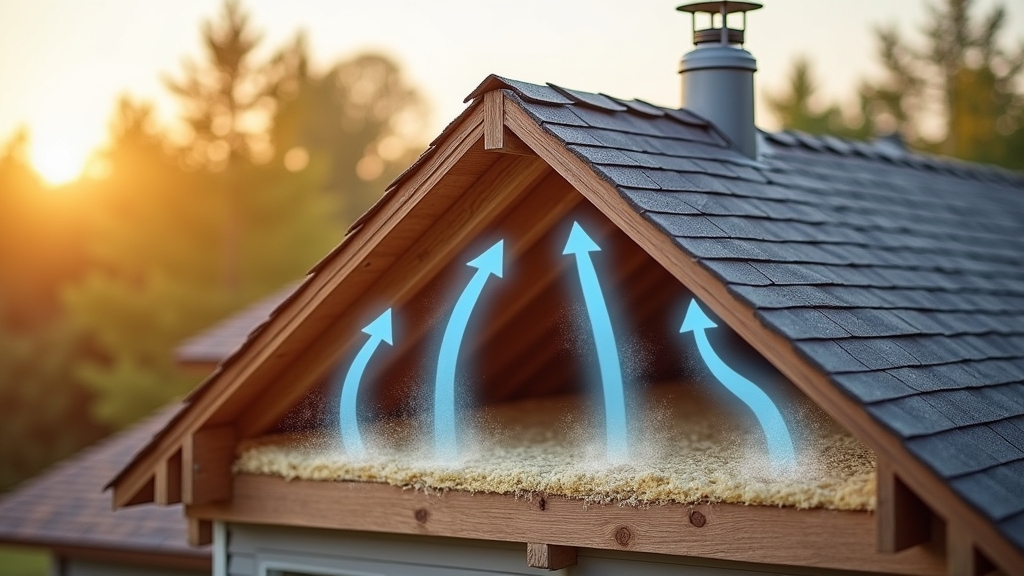
Roof ventilation is a system of intake and exhaust vents that allow air to flow naturally through your attic space. Fresh air enters through intake vents (typically located along the soffits or eaves) and exits through exhaust vents near the roof ridge or gables.
This steady airflow keeps attic temperatures stable and prevents moisture buildup—two factors that play a major role in maintaining your home’s efficiency and structural health.
The Role of Roof Ventilation in Home Efficiency
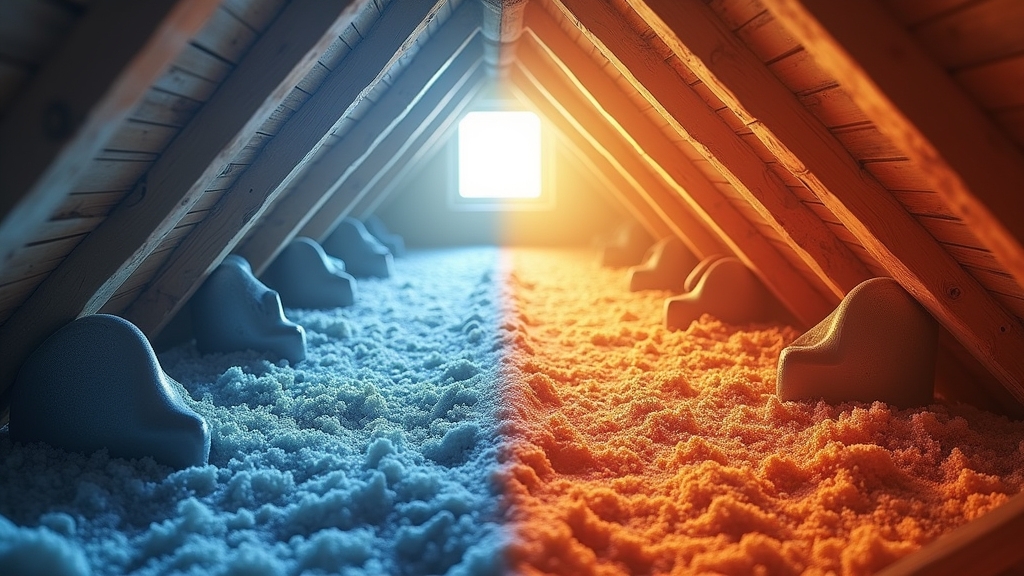
Your attic is like a buffer zone between the outdoor climate and your living space. Without proper ventilation, hot or humid air gets trapped in this space, causing your HVAC system to work harder to maintain comfortable indoor temperatures.
During winter, poor ventilation allows warm air to rise into the attic, where it meets cold roof surfaces. This leads to condensation and, in snowy climates like Michigan, the formation of ice dams that can damage shingles and gutters.
In summer, the problem reverses—attic heat builds up to extreme levels, radiating downward and making it harder to cool your home efficiently.Balanced roof ventilation prevents both extremes, maintaining comfort and reducing the strain on your heating and cooling systems.
How Poor Ventilation Affects Your Roof and Home
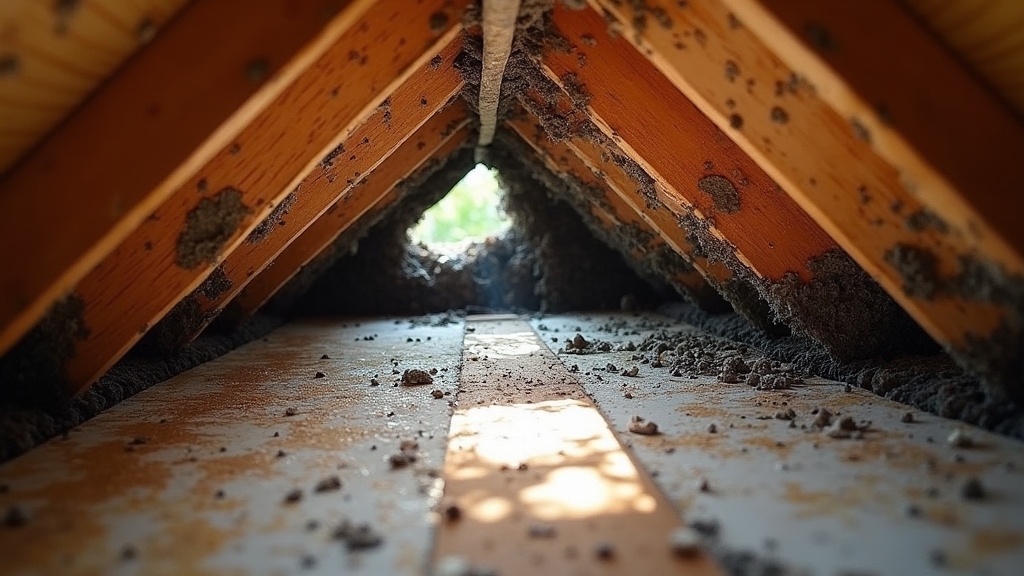
When ventilation is inadequate or blocked, your entire roofing system suffers. Here are some of the most common consequences:
- Increased Energy Costs: Without airflow, trapped heat raises indoor temperatures and forces air conditioners to work harder.
- Premature Roof Aging: Excessive heat dries out shingles, causing warping, cracking, and granule loss.
- Moisture Damage: Condensation can lead to mold growth, wood rot, and insulation deterioration.
- Ice Dams: In winter, heat buildup in the attic melts roof snow unevenly, causing ice dams that can lift shingles and lead to leaks.
- Reduced Indoor Comfort: Uneven temperatures and humidity affect the overall comfort of your home.
In short, poor ventilation isn’t just a minor issue—it’s a hidden cost that can shorten your roof’s life and increase your energy bills.
Comparing Proper vs. Poor Ventilation
Here’s a simple table showing how adequate ventilation impacts energy efficiency and roof performance compared to poor ventilation:
| Feature | Proper Ventilation | Poor Ventilation |
| Attic Temperature | Stays within 10–15°F of outdoor temperature | Can exceed 140°F in summer |
| Energy Bills | Lower heating and cooling costs | Higher due to HVAC overuse |
| Roof Lifespan | Lasts full rated term (20–50 years) | Shortened by 25–40% |
| Indoor Comfort | Consistent temperatures year-round | Hot upper floors and cold drafts |
| Moisture Control | Prevents condensation and mold | Promotes mold, mildew, and rot |
| Ice Dams | Greatly reduced | Common in snowy climates |
| Air Quality | Clean, dry, and balanced | Stale air and odor problems |
As you can see, good ventilation pays for itself by preventing expensive damage and maintaining energy balance throughout your home.
How Roof Ventilation Improves Energy Efficiency
1. Reduces Heat Buildup
During Michigan’s hot summers, attics can easily reach temperatures of 120°F or more. This trapped heat radiates through insulation into living areas, making your air conditioner work overtime. Proper ventilation releases this heat, lowering attic temperature and reducing energy demand.
2. Supports Insulation Performance
Even the best insulation can’t work effectively if the attic is hot or damp. Ventilation helps insulation stay dry and efficient, maintaining your home’s R-value (thermal resistance). When insulation gets wet from condensation, it loses up to 50% of its effectiveness, leading to higher heating and cooling costs.
3. Prevents Ice Dams in Winter
Michigan winters bring heavy snow, which can melt unevenly on poorly ventilated roofs. Warm attic air melts the snow near the ridge, while the eaves remain cold. The melted water refreezes at the edges, creating ice dams that block drainage and damage shingles.
Proper ventilation balances attic temperature, preventing the freeze-thaw cycle that causes ice dams and leaks.
4. Extends Roof Lifespan
Prolonged exposure to heat and moisture accelerates roofing material deterioration. Shingles lose granules, wood decking warps, and fasteners corrode. A well-ventilated roof keeps these components cool and dry, extending their service life and reducing the need for premature replacement.
5. Enhances Indoor Air Quality
Ventilation not only affects temperature but also air quality. Stagnant, humid air in the attic can allow mold spores and allergens to circulate throughout your home. By maintaining fresh airflow, ventilation promotes cleaner indoor air and a healthier living environment.
Signs Your Roof Ventilation May Be Inadequate
If you’re unsure whether your roof is properly ventilated, watch for these warning signs:
- Uneven heating or cooling between floors
- High energy bills without a clear cause
- Condensation on attic surfaces or insulation
- Mold or mildew odors in the attic or upper rooms
- Curling or brittle shingles
- Ice dams forming along the eaves in winter
If you notice one or more of these issues, it’s time for a professional inspection. Our team at Farmington Hills Roofing Company can assess your system and recommend improvements for optimal airflow and efficiency.
Types of Roof Ventilation Systems
Different homes require different ventilation setups depending on design, roof pitch, and insulation. Here are the most common types we install:
Intake Vents
Located along the eaves or soffits, these vents allow cool, fresh air to enter the attic. Without proper intake, exhaust vents can’t function efficiently.
Exhaust Vents
Typically installed along the roof ridge or gables, exhaust vents let hot, humid air escape. Popular styles include ridge vents, box vents, and turbine vents.
Combination Systems
Many modern homes use a combination of ridge and soffit vents to ensure continuous airflow across the entire attic. This balance of intake and exhaust is key to energy efficiency.
Our specialists can determine the best system for your property—whether you have residential roofing, commercial roofing, or flat roofing.
Professional Installation Makes All the Difference
Even with the best materials, improper installation can undermine your ventilation system. Sealed soffits, blocked vents, or uneven spacing can trap air instead of circulating it. At Farmington Hills Roofing Company, our roofing experts calculate the correct ratio of intake to exhaust vents for your roof size and slope, ensuring balanced, continuous airflow. We also check for insulation blockages and ensure every component works together to maximize efficiency.
When to Check or Upgrade Your Ventilation
It’s wise to have your roof ventilation evaluated:
- During a roof replacement or major repair
- If you notice hot spots, humidity, or ice dams
- When upgrading insulation or attic space
- After storm damage that could affect venting systems
A ventilation check is often part of our comprehensive roof inspection service. We identify inefficiencies and recommend affordable solutions to help your roof breathe better and last longer.
Final Thoughts: Ventilation Is the Key to Efficiency and Longevity
Proper roof ventilation is the unsung hero of energy-efficient homes. It protects your roof, regulates temperature, reduces energy costs, and prevents costly damage. Without it, even the highest-quality materials can deteriorate prematurely.
If you’re experiencing high energy bills, uneven indoor temperatures, or roof damage, let Farmington Hills Roofing Company inspect your system. We specialize in designing and installing efficient ventilation for all types of roofing, including metal roofing, flat roofing, and residential roofing.
Take control of your comfort and energy savings—contact us today or call (248) 213-7849 to schedule your roof inspection and ventilation assessment.