
To budget for a roof replacement, start by evaluating your current roof’s condition and identifying any potential issues. Determine the expected costs, factoring in materials, labor, and unexpected expenses—set aside 10-20% for surprises. Compare quotes from multiple contractors to find the best deal and consider budget-friendly materials like asphalt shingles or metal roofing. Set a realistic timeline for the project, and don’t forget to allocate funds for future maintenance. You can discover more tips that can help you save.
Key Takeaways
- Conduct a thorough roof inspection to identify issues and determine if repairs or replacement are needed before budgeting.
- Gather multiple quotes from contractors to compare pricing, materials, and labor costs, ensuring a thorough evaluation.
- Set aside an emergency fund of 10-20% of your total budget for unforeseen expenses during the roof replacement project.
- Factor in costs for materials, labor, and potential delays due to weather or supply issues when creating your budget.
- Schedule regular maintenance and inspections to prevent unexpected repair costs and extend the lifespan of your roof.
Assess Your Current Roof Condition
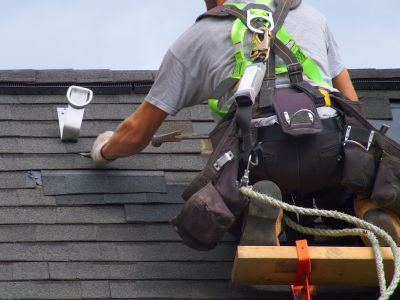
To effectively budget for your roof replacement, start by evaluating your current roof condition.
Begin with a thorough roof inspection; this is essential for understanding its status and spotting potential issues. Look for signs of wear, such as missing shingles, leaks, or sagging. These factors can greatly impact your roof’s lifespan evaluation.
A thorough roof inspection is vital for identifying wear and potential issues that affect your roof’s lifespan.
Consider hiring a professional to conduct the inspection, as they can identify hidden problems that mightn’t be obvious to you. A well-documented report from this inspection will help you make informed decisions about necessary repairs or eventual replacement.
Pay attention to the age of your roof, as older roofs typically require more frequent maintenance or replacement.
What Will Your Roof Replacement Cost?
When planning your roof replacement, understanding the costs involved is essential.
Several factors, like materials and labor, can greatly influence the final price. Knowing the average price ranges will help you budget effectively and avoid surprises.
Factors Influencing Costs
Several factors can considerably influence the cost of your roof replacement, so understanding these elements is essential for effective budgeting.
First, material quality plays a significant role; higher-grade shingles or tiles will increase your expenses but often provide better durability and longevity.
Additionally, the installation methods you choose can impact the cost. For instance, a straightforward tear-off and replacement may be less expensive than a more complex overlay, which requires additional labor and materials.
Other factors like roof size, pitch, and local labor rates also affect the overall price.
Average Price Ranges
Roof replacement costs typically range from $5,000 to $15,000, depending on various factors.
One significant aspect is the average material costs, which can vary based on the type of roofing you choose. For instance, asphalt shingles tend to be more affordable than metal or slate options.
Additionally, regional pricing differences can impact your overall expenses. In some areas, labor costs may be higher due to demand or local regulations.
It’s crucial to gather quotes from multiple contractors to get a clearer picture of what you might pay. By understanding these factors, you can better prepare for your roof replacement and budget accordingly.
Best Budget-Friendly Roofing Materials for Your Roof Replacement
Choosing budget-friendly roofing materials can greatly impact your overall expenses during a roof replacement. Asphalt shingles are one of the most popular options due to their affordability and ease of installation.
If you’re looking for something more durable, consider metal roofing, which offers longevity and requires less maintenance. For a natural look, wood shakes can be appealing, but keep in mind their upkeep costs.
If eco-friendly options are important to you, look into synthetic materials or rubber roofing, both of which can be budget-friendly while being environmentally conscious.
Tile roofing is beautiful but can be pricier, so explore slate alternatives for a similar look at a lower cost. By weighing these options, you can find the right balance between aesthetics and budget, ensuring you get the most value for your investment.
Get Multiple Quotes From Contractors

When you’re ready to replace your roof, getting multiple quotes from contractors is essential.
It helps you compare pricing options, assess qualifications, and evaluate warranties.
This way, you can make an informed decision that fits your budget and needs.
Compare Pricing Options Thoroughly
Getting multiple quotes from contractors is crucial for budgeting a roof replacement effectively. By comparing prices, you can guarantee you’re getting the best deal for your needs.
Different contractors may offer varying costs based on shingle types and installation methods, so it’s important to dig deeper. Consider these factors when evaluating quotes:
- Material quality and warranty duration
- Labor costs and installation techniques
- Timeline for project completion
- Additional services, like cleanup or inspections
These elements can greatly impact your overall budget.
Take the time to discuss specifics with each contractor to clarify what’s included. This thorough approach not only helps you avoid unexpected expenses but also aids in making an informed decision for your roof replacement.
Assess Contractor Qualifications Carefully
After gathering multiple quotes, the next step is to assess contractor qualifications carefully.
Start by checking their contractor experience; a seasoned contractor typically brings valuable insights and skills to your project. Look for reviews or testimonials that speak to their work quality.
Don’t forget to confirm that they meet local licensing requirements—this guarantees they follow industry standards and local building codes. Additionally, ask if they carry insurance, which protects you from potential liabilities.
A qualified contractor should also be willing to provide references and a detailed portfolio of past projects.
Evaluate Warranty Offers Offered
While you compare quotes from different contractors, don’t overlook the importance of evaluating the warranty offers they provide. A solid warranty can protect your investment and give you peace of mind.
Here are some key factors to take into account:
- Warranty Coverage: Verify it covers both materials and labor.
- Warranty Duration: Look for warranties that last at least 10-25 years.
- Transferability: Find out if the warranty can be transferred to a new owner, which can add value to your home.
- Exclusions and Limitations: Read the fine print to understand what’s not covered.
Budget for Unexpected Roof Replacement Costs
Unexpected costs can arise during a roof replacement, and budgeting for them is essential. You might discover hidden issues like rotting wood or mold once the old roof is off.
To prepare for these additional expenses, set aside an emergency fund specifically for your roofing project. Aim for 10-20% of your total budget to cover unforeseen circumstances.
This extra cushion will help you manage surprises without derailing your finances. Talk with your contractor about potential issues they’ve encountered in the past; this can give you insight into what might come up.
Always remember, it’s better to be over-prepared than to find yourself scrambling for funds mid-project. Having a well-structured budget with room for unexpected costs guarantees you can complete the job to your satisfaction without financial strain.
Top Financing Options for Roof Replacement Projects
When budgeting for a roof replacement, you might find that unexpected costs can strain your finances even further.
Exploring financing options can help ease the burden. Here are some popular loan types to evaluate:
- Home Equity Loans: These let you borrow against your home’s equity, often with lower interest rates.
- Personal Loans: Unsecured loans that can be used for any purpose, including roof replacements, but may have higher rates.
- Credit Cards: If you can pay them off quickly, using a card could be an option, but watch out for high interest rates.
- Government Programs: Some local or federal programs offer assistance for major home repairs, especially for low-income homeowners.
Set a Realistic Timeline for Your Roof Project
Setting a realistic timeline for your roof project is essential to guarantee everything goes smoothly. Start by defining key project milestones, like when you’ll select contractors and when the work will begin. This helps you manage expectations and stay organized.
Next, consider weather considerations. Roofing work often hinges on dry conditions; rain or snow can delay your project considerably. Research your local climate and plan your timeline around the best months for roofing.
Don’t forget to account for potential delays. While you might’ve a target completion date, factors like material availability or unexpected repairs can push things back. It’s wise to add a buffer to your timeline to handle these uncertainties.
Budgeting for Roof Maintenance After Replacement
Although your new roof may seem perfect, budgeting for its maintenance is essential to confirm its longevity. Set aside funds to cover routine upkeep and unexpected issues that might arise.
Here are some roof maintenance tips to take into account:
- Regular Inspections: Check for loose shingles, leaks, or debris at least twice a year.
- Gutter Cleaning: Verify gutters are free from clogging to prevent water damage.
- Moss Removal: Remove any moss or algae promptly to avoid deterioration.
- Sealing and Caulking: Inspect and reseal joints and flashings to keep moisture out.
Tips to Save Money During Roof Replacement
To minimize costs during your roof replacement, it’s smart to explore various options before making decisions.
Start by considering DIY roofing projects if you’re handy and have the time. Tackling smaller tasks, like removing old shingles, can greatly cut labor costs.
Next, look into energy-efficient options. While they might’ve a higher upfront cost, they often pay off in savings on your energy bills and may even qualify for tax credits.
Don’t forget to gather multiple quotes from different contractors. Comparing prices helps you find the best deal and guarantees you’re not overpaying.
Finally, timing can affect pricing. Schedule your roof replacement during the off-peak season when contractors are less busy and might offer discounts.
Frequently Asked Questions
How Long Does a Roof Replacement Typically Take?
A roof replacement typically takes one to three days, depending on the roof life and replacement materials used. Weather conditions and the crew’s experience can also impact the timeline, so plan accordingly.
Can I Stay in My Home During the Replacement?
Yes, you can stay in your home during the replacement, but be prepared for noise concerns. Some homeowners prefer temporary living arrangements for comfort, especially if the sounds and disruptions become too overwhelming.
What Permits Are Needed for Roof Replacement?
You’ll need to check local roofing regulations to determine necessary permits for your roof replacement. Permit costs vary by area, so it’s wise to budget accordingly to avoid surprises during your project.
How Often Should I Replace My Roof?
You should replace your roof every 20 to 30 years, depending on the material. Watch for replacement signs like leaks, missing shingles, or sagging to determine if your roof’s lifespan is nearing its end.
Will My Homeowner’s Insurance Cover Roof Replacement Costs?
Yes, your homeowner’s insurance might cover roof replacement costs, depending on your insurance policy and coverage limits. Check your policy details to understand what’s included and whether your situation qualifies for a claim.
Final Thoughts
Budgeting for a roof replacement is all about planning ahead and making informed choices. Start with a clear assessment of your roof’s condition, build a budget that includes materials, labor, and a 10–20% cushion for surprises, and compare multiple contractor quotes before committing. When you combine smart material selection with a realistic timeline and a plan for ongoing maintenance, you’ll avoid financial stress and get a roof that protects your home for the long haul.
If you’re ready to turn those numbers into a clear, accurate plan, our team at Farmington Hills Roofing Company can help you understand your options and costs based on your roof’s actual needs. Whether you’re weighing repairs through our roof repair services or planning a full upgrade for your residential roofing or commercial roofing, we’ll guide you step by step. Contact us today through our contact page to schedule an evaluation and get a straightforward estimate you can budget around.