
Deciding between DIY roof care and hiring a pro hinges on your skills, comfort with heights, and the task’s complexity. While DIY can save money and give you a sense of accomplishment, it also carries risks, like costly mistakes and safety hazards. On the other hand, professionals bring expertise, advanced tools, and warranties that protect your investment. Think carefully about your needs and responsibilities; you’ll soon uncover the key factors that can guide your decision.
Key Takeaways
- DIY roof care can be cost-effective but requires skill and comfort with heights to avoid costly mistakes.
- Common DIY tasks include gutter cleaning and shingle replacement, but safety risks must be considered.
- Hiring a professional ensures expertise, advanced techniques, and access to specialized tools, enhancing safety and quality.
- Professionals are recommended for significant issues like leaks, sagging rooflines, or extensive mold growth, ensuring proper assessment.
- Weigh initial costs against long-term savings; professionals may save time and prevent future expenses through quality work.
Is DIY Roof Care Worth It?
Is DIY roof care truly a smart choice for homeowners? It can be, but it largely depends on your skill assessment and the specific tasks at hand. Many homeowners are drawn to the cost effectiveness of handling roof maintenance themselves, believing they can save money on labor.
However, if you lack the necessary skills, you might end up making costly mistakes.
Before diving into any DIY project, evaluate your abilities honestly. Are you comfortable working at heights, and do you understand the materials involved?
If you find yourself unsure, it’s wiser to consult a professional. While DIY projects can provide a sense of accomplishment and savings, they also come with risks.
Balancing your desire to save money with a realistic view of your skills is essential. Ultimately, making an informed decision will guarantee your roof remains in top condition without unnecessary headaches.
Common DIY Roof Maintenance Tasks
While taking care of your roof might seem intimidating, there are several common maintenance tasks you can tackle yourself.
Start with gutter cleaning; removing leaves and debris prevents water buildup that can damage your roof.
Conducting a roof inspection helps you spot issues early, like missing shingles or damaged flashing. If you notice any, consider shingle replacement or flashing repair to maintain your roof’s integrity.
Conducting regular roof inspections allows you to identify early issues, ensuring timely repairs like shingle replacement or flashing repair.
Moss removal is essential too; it can trap moisture and lead to leaks.
Checking ventilation guarantees proper airflow, which can prolong your roof’s life.
Don’t forget about leak detection; look for water stains inside your home as a sign of trouble.
Finally, regular debris removal keeps your roof in top shape and prevents further issues.
What Are the Safety Risks of DIY Roof Work?
Tackling DIY roof maintenance can be rewarding, but it comes with significant safety risks. First off, ladder safety is vital; improper use can lead to serious falls. Always inspect your ladder and guarantee it’s on stable ground.
When working on your roof, be aware of weather conditions—wet or windy days can create fall hazards.
Using the right roof equipment is essential, but so is personal protective gear like helmets and harnesses. Regular tool maintenance also can’t be overlooked; faulty tools can cause accidents.
Additionally, consider the structural integrity of your roof. If you’re unsure about its condition, you might be putting yourself at risk.
Finally, think about emergency preparedness. Have a plan in place in case something goes wrong. By acknowledging these risks, you can make informed decisions about whether to tackle the project yourself or seek professional help.
When Should You Call a Professional Roofer?
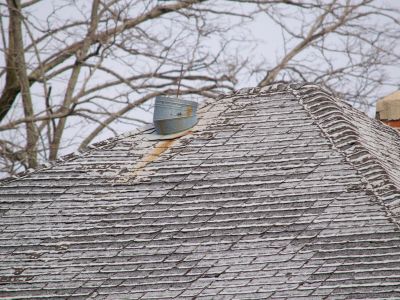
Knowing when to call a professional roofer can save you time, money, and potential hazards. If you notice any signs of damage, it’s best to reach out for help.
Regular roof inspection frequency is essential, and if you’re unsure how often to check your roof, consider these situations as a prompt to call a professional:
- Missing or damaged shingles
- Leaks or water stains inside your home
- Sagging or uneven roofline
- Mold or moss growth
Ignoring these issues can lead to more significant problems down the line.
A professional can provide the expertise needed for repairs, ensuring your roof remains safe and functional.
Don’t hesitate to enlist their help when you spot any concerning signs. After all, your roof protects your home and your investment.
Why You Should Consider Hiring a Roofer
When it comes to roofing, hiring a professional can save you a lot of headaches. Their expertise guarantees the job’s done right, while also keeping safety risks at bay.
Plus, you’ll find that they can complete the work much more efficiently than you might on your own.
Expertise and Experience Matters
While DIY projects can be rewarding, relying on your own skills for roof repairs often overlooks the importance of expertise and experience.
Hiring a professional roofer guarantees that you benefit from their specialized skills, which can save you time and money in the long run.
Consider the advantages of working with an expert:
- Advanced roofing techniques that guarantee durability
- Material knowledge to choose the best options for your specific needs
- Efficient problem-solving to address issues you might miss
- Industry connections for sourcing quality materials at better prices
Safety and Risk Management
Taking on a roofing project yourself can expose you to potential hazards that you might not be prepared to handle. From roof inspections to ladder safety, these risks can add up quickly. Professionals are trained in injury prevention and have the right tool selection for various material choices. They also consider weather conditions that could affect your project planning. Plus, hiring a roofer often includes insurance coverage, protecting you from unforeseen accidents.
Here’s a quick overview:
| Aspect | DIY Approach | Hiring a Professional |
| Roof Inspections | Limited experience | Thorough evaluation |
| Ladder Safety | Personal risk | Expert handling |
| Tool Selection | May lack essential tools | Access to specialized tools |
| Weather Considerations | Often overlooked | Professionally assessed |
Time and Efficiency Gains
Hiring a professional roofer not only saves you time but also guarantees the job gets done efficiently. When you choose to hire, you can focus on what matters most to you.
Here are some key time savings and efficiency benefits:
- Expertise: Professionals have the skills to diagnose and fix issues quickly.
- Tools and Equipment: They come equipped with specialized tools, eliminating the need for you to invest in them.
- Project Speed: Experienced roofers can complete the job in a fraction of the time it would take you.
- Quality Assurance: Professionals assure quality work, reducing the likelihood of future repairs.
Comparing Costs: DIY Roof Maintenance vs. Hiring a Pro
When you think about roof maintenance, it’s essential to compare the upfront costs of DIY versus hiring a pro.
While DIY might save you money initially, consider the long-term financial implications of potential mistakes.
Weighing these factors can help you make an informed decision that suits your budget and needs.
Upfront Costs Comparison
Choosing between DIY roof maintenance and hiring a professional often boils down to upfront costs. You’ll need to weigh various factors that affect your budget considerations.
Here’s a quick breakdown:
- Material costs: DIY might save on labor but requires purchasing materials.
- Tool expenses: You may need to invest in or rent tools for the job.
- Labor rates: Hiring a pro includes labor costs, which vary by region.
- Hidden fees: Be aware of potential extra charges from professionals.
Consider seasonal timing and project scope, as these can impact costs.
Also, think about warranty implications and insurance coverage, as they play a role in your overall investment.
Finally, factor in maintenance frequency to determine if immediate costs align with long-term needs.
Long-Term Financial Implications
While it might seem tempting to save money with DIY roof maintenance, considering long-term financial implications is essential. Investing in professional services often leads to better financial forecasting and effective maintenance budgeting. Here’s a quick comparison to help you decide:
| Aspect | DIY Maintenance | Hiring a Professional |
| Upfront Costs | Lower initial expense | Higher initial expense |
| Long-term Savings | Potential hidden costs | Guaranteed quality |
| Time Investment | Significant time needed | Minimal time required |
| Warranty Protection | None | Usually included |
| Safety Risks | Higher risk | Professional safety measures |
Ultimately, weighing these factors will help you make a financially sound decision for your roof’s upkeep.
Choosing the Right Roofer

Finding the right roofer can feel overwhelming, especially with so many options available. To simplify your search, focus on these key aspects:
- Contractor Credentials: Verify their licenses and insurance to guarantee they meet local regulations.
- Roofing Materials: Discuss the types of materials they recommend and their experience with them.
- Project Timelines: Ask about their schedule and how long the project will take to complete.
- Warranty Options: Inquire about warranties for both labor and materials to protect your investment.
As a homeowner, you’ll want to understand your responsibilities, including maintenance schedules and seasonal inspections.
A reliable roofer won’t only help with installation but also guide you through ongoing care.
Making the Right Decision for Your Roof’s Health
After securing the right roofer, it’s time to contemplate how to maintain your roof’s health effectively. You need to weigh the benefits of DIY care against hiring a professional.
For roof longevity, regular inspections and maintenance schedules are essential. If you’re comfortable getting on the roof, you can handle minor tasks like clearing debris or checking for leaks. However, more complex issues might require expert intervention.
Consider how much time and skill you have. If your schedule is packed, a professional can guarantee your roof stays in top shape without your constant attention. They know the ins and outs of roofing systems and can spot potential problems early, saving you money in the long run.
Evaluate your time and skills; a professional ensures your roof’s health while you focus on other priorities.
Ultimately, the best decision balances your capabilities with the roof’s needs. Prioritize its health, and you’ll protect your investment for years to come.
Frequently Asked Questions
What Tools Do I Need for DIY Roof Maintenance?
For DIY roof maintenance, you’ll need a ladder, roof rake, soft-bristle brush for roof cleaning, gloves, and a trowel for gutter maintenance. Safety gear like a harness is also essential to prevent accidents.
How Often Should I Inspect My Roof?
You should inspect your roof at least twice a year, ideally in spring and fall. Seasonal inspections help identify issues early, ensuring roof longevity and saving you from costly repairs down the line.
Can I Perform Roof Repairs in Bad Weather?
You shouldn’t perform roof repairs in bad weather. Safety precautions are essential, and adverse conditions increase risks. Always consider weather factors before starting any work to guarantee your safety and the quality of repairs.
What Are the Common Signs of Roof Damage?
You’ll notice common signs of roof damage like roof leaks, water stains, sagging areas, and flashing issues. Look for shingle granules in gutters, chimney damage, mold growth, and gutter problems to assess your roof’s condition.
Is Roof Maintenance Covered by Homeowners Insurance?
Roof maintenance typically isn’t covered by homeowners insurance, but it’s essential to check your policy for specific coverage limits. Regular upkeep can prevent more extensive damage that may lead to insurance claims later on.
Final Thoughts
Choosing between DIY roof care and hiring a professional comes down to your skill level, comfort with heights, and the complexity of the issue. DIY maintenance can help with simple tasks, but it also increases the risk of missed damage, safety hazards, and repairs that cost more to fix later. When you want the job done safely, correctly, and backed by experience, working with a trusted contractor is often the smarter long-term decision.
At Farmington Hills Roofing Company, we help homeowners and property managers protect their investment with dependable solutions—from targeted roof repair to full residential roofing and commercial roofing. If you’re not sure what your roof needs, the next best step is a professional evaluation so you can make the right call with confidence.
Ready to take the guesswork out of roof care? Contact us today to discuss your needs and schedule service through our contact page.