
A new roof is one of the biggest investments a homeowner can make, and a good warranty helps protect that investment for years to come. However, many people don’t fully understand what their roofing warranty actually covers—or what responsibilities they have to keep it valid. Misunderstanding these details can lead to costly surprises later on.
At Farmington Hills Roofing Company, we believe homeowners deserve clarity. In this guide, we’ll break down the different types of roof warranties, what’s covered, what’s not, and how you can make sure your warranty works for you when you need it most.
What Is a Roof Warranty?
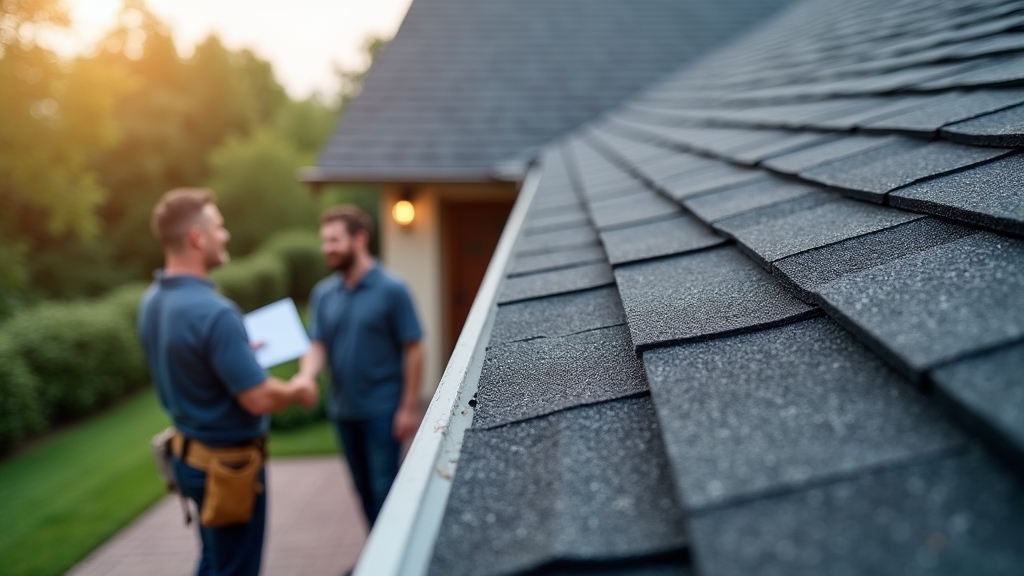
A roof warranty is a written guarantee that promises coverage for certain defects or issues that may arise after installation. Its purpose is to give you peace of mind—ensuring that if something goes wrong due to faulty materials or workmanship, you won’t be left paying out of pocket.
However, not all warranties are created equal. The level of protection, duration, and terms vary widely depending on the manufacturer and the contractor. Understanding the fine print helps you make informed decisions before, during, and after your roof installation.
The Two Main Types of Roof Warranties
There are two primary categories of roof warranties every homeowner should know: manufacturer warranties and workmanship warranties. Each protects you from different risks.
1. Manufacturer (Material) Warranty
This warranty is provided by the roofing material manufacturer—covering defects in the shingles, metal panels, or membranes themselves. If the product fails prematurely due to a manufacturing flaw, the company may pay for replacement materials or, in some cases, labor.
Typical coverage:
- Defective or failed shingles
- Premature granule loss
- Blistering, cracking, or splitting caused by product faults
Average duration: 20 to 50 years, depending on material type and product line.
Premium products like metal roofing and high-performance asphalt shingles often come with longer warranties or even lifetime coverage.
2. Workmanship (Installation) Warranty
This warranty comes from the roofing contractor who installed your roof. It covers installation-related problems—errors that cause leaks, structural damage, or performance failure.
Even the best materials can fail prematurely if installed incorrectly, so this warranty is critical.
Typical coverage:
- Improper flashing or ventilation
- Poor fastening or sealing
- Leaks caused by incorrect installation techniques
Average duration: 5 to 15 years, though top contractors like Farmington Hills Roofing Company may offer longer or extended coverage.
Common Warranty Types at a Glance
Here’s a quick reference table showing how these warranties compare:
| Warranty Type | Provided By | Covers | Typical Length |
| Manufacturer (Material) | Roofing product manufacturer | Defects in shingles, panels, or membranes | 20–50 years |
| Workmanship (Labor) | Roofing contractor | Installation errors and related leaks | 5–15 years |
| Extended Manufacturer Warranty | Manufacturer + certified contractor | Materials and installation (when certified) | Up to lifetime coverage |
Choosing a certified roofing company ensures your installation qualifies for extended manufacturer-backed warranties, combining both material and labor protection for maximum peace of mind.
What Roof Warranties Usually Don’t Cover
While warranties offer strong protection, there are important exclusions that homeowners often overlook. Most warranties do not cover:
- Damage caused by severe weather (hail, high winds, falling branches)
- Improper maintenance or neglect
- Unauthorized repairs or alterations
- Mold, algae, or mildew growth
- Normal wear and tear over time
- Structural movement or foundation issues
It’s important to understand that warranties aren’t a blanket insurance policy. They’re designed to cover specific manufacturing or installation issues—not general roof aging or storm damage.
For storm-related problems, it’s best to file a homeowners insurance claim and contact a trusted contractor for inspection and documentation.
Why Regular Maintenance Matters
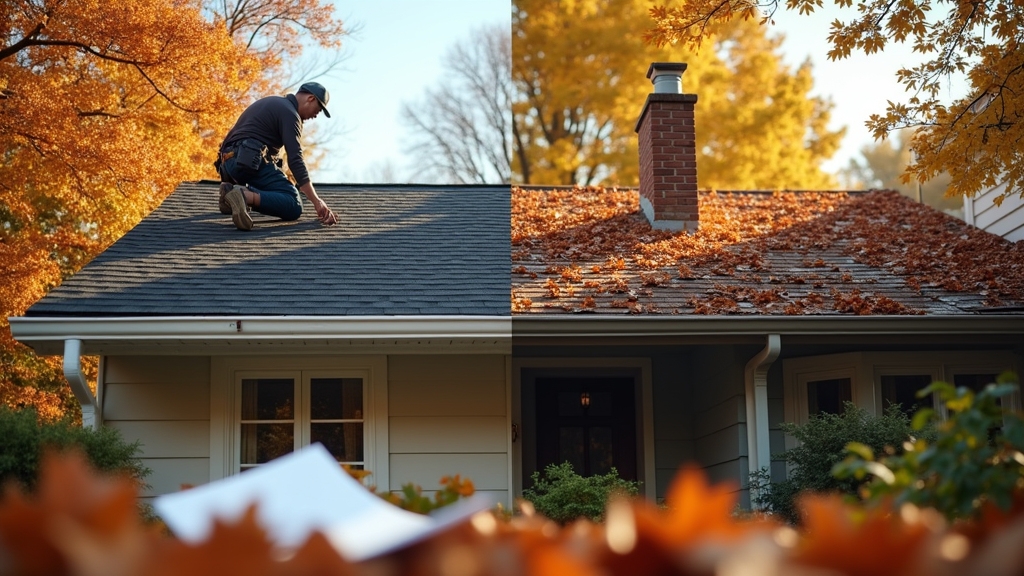
A warranty is only valid if you maintain your roof properly. Many manufacturers require proof of regular maintenance to honor claims. This includes cleaning gutters, inspecting flashing, and removing debris from the roof surface.
Skipping maintenance—or hiring unqualified contractors—can void your warranty entirely.
Scheduling regular roof inspections with professionals ensures potential issues are caught early and your warranty remains protected. Farmington Hills Roofing Company offers detailed inspection reports you can keep for your warranty records.
The Importance of Working With a Certified Contractor
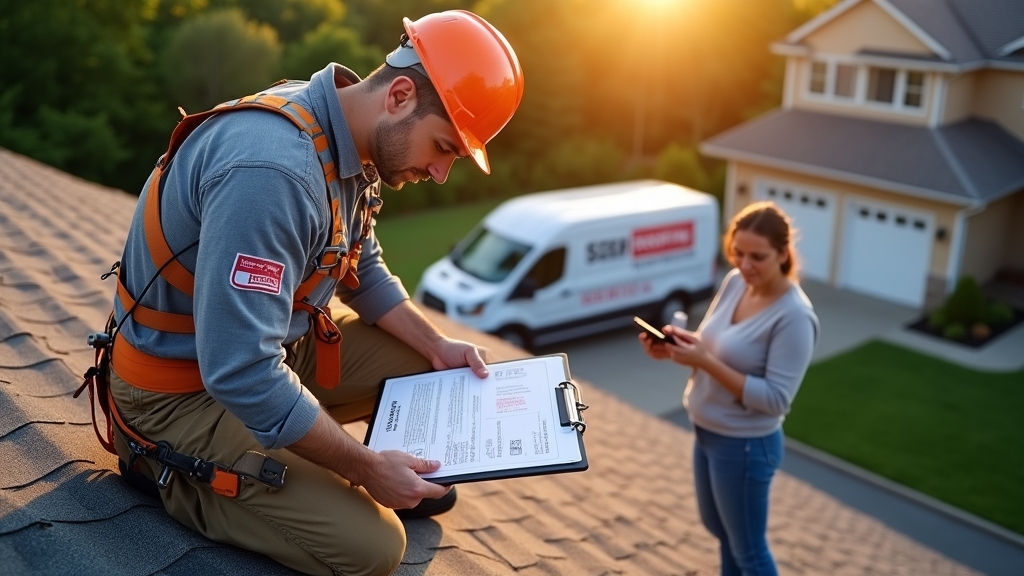
One of the easiest ways to ensure full warranty coverage is to hire a certified and experienced roofing contractor. Many manufacturers only honor extended warranties if the installation is completed by an approved partner.
When you work with Farmington Hills Roofing Company, your roof is installed according to strict manufacturer specifications. This not only guarantees long-term performance but also keeps your warranty 100% valid.
Our certifications with leading roofing brands allow us to offer enhanced coverage options that protect both materials and workmanship for decades.
Extended and Lifetime Warranties Explained
Some manufacturers offer extended warranties that combine material and labor protection into a single, long-term agreement. These are typically available only through certified installers and may include:
- Non-prorated coverage: Full replacement value for a specific number of years before depreciation applies.
- Transferability: Allows the warranty to be passed to the next homeowner, increasing resale value.
- System coverage: Protection for the entire roofing system, including underlayment, flashing, and ventilation components.
Extended or lifetime warranties are a smart choice if you plan to stay in your home for many years or want to boost property value before selling.
How to File a Warranty Claim
If you ever need to use your warranty, follow these steps to ensure a smooth process:
- Review your warranty documents: Check coverage details, exclusions, and claim instructions.
- Contact your installer: Notify your contractor first—they can help diagnose whether the issue is material or workmanship-related.
- Document everything: Take clear photos of the damage and note the date it was discovered.
- Avoid DIY repairs: Unauthorized fixes can void coverage. Wait for professional assessment.
- Submit claim promptly: Manufacturers have time limits for filing, usually 30–60 days after the problem appears.
At Farmington Hills Roofing Company, we assist homeowners through the claim process, providing inspection reports, photos, and all necessary documentation to support your case.
How Roof Warranties Save You Money
A strong warranty offers long-term financial protection by covering repair or replacement costs that would otherwise come out of pocket. It also adds value to your home—potential buyers appreciate knowing the roof is under warranty from a reputable company. In addition, warranties often come with added benefits like free inspections or prorated replacement costs for partial damage, helping you stretch your roofing budget further.
How to Keep Your Warranty Valid
To make the most of your warranty, remember these essential practices:
- Keep records of all inspections, maintenance, and repairs.
- Use only certified or approved contractors for any work.
- Register your warranty after installation if required by the manufacturer.
- Avoid power washing or harsh cleaning chemicals that could damage materials.
- Address leaks or damage promptly to prevent further deterioration.
A proactive approach not only preserves your warranty but also extends the lifespan of your roofing system.
Final Thoughts: Protect Your Investment With Confidence
A roof warranty is more than paperwork—it’s your safety net against unexpected problems. Understanding what it covers, maintaining your roof properly, and working with a certified installer ensures you’ll get the full benefits when you need them.
At Farmington Hills Roofing Company, we take pride in delivering quality installations backed by trusted manufacturer warranties and our own workmanship guarantee. Whether you’re investing in asphalt roofing, metal roofing, or flat roofing, we’ll make sure your investment is protected for the long haul.
Ready to learn more about roofing warranties or schedule your next inspection? Contact us today or call (248) 213-7849 for expert advice, quality craftsmanship, and complete peace of mind.